
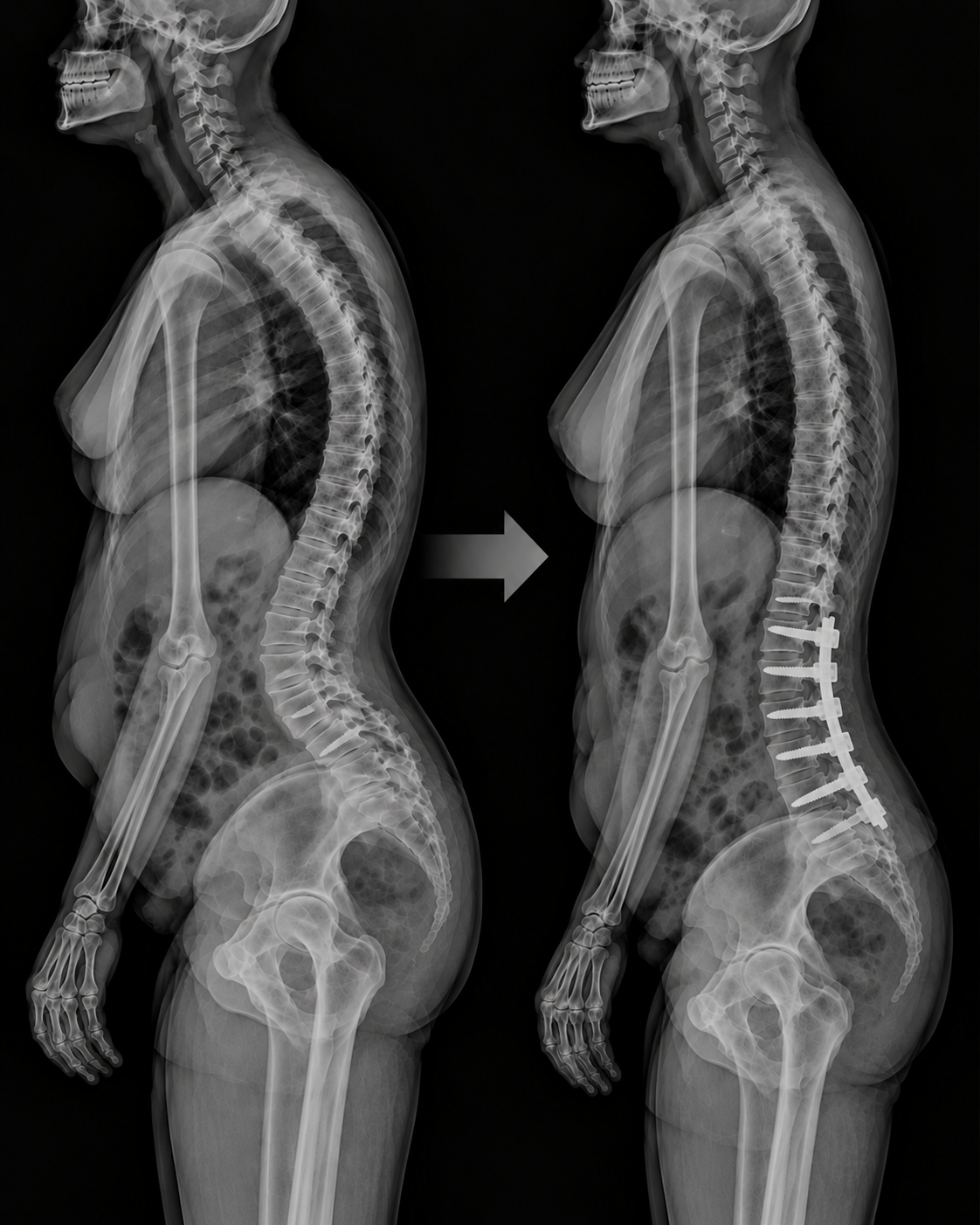
What Happens to the Thoracic Spine After Lumbar Deformity Surgery — And When the Answer Is Failure
A 356-patient ISSG study finds that 17.4% of ASD patients experience thoracic failure within two years of lumbar correction — with age, proximal correction location, and early postoperative thoracic shape predicting risk. Read the ISSGF Research Spotlight.
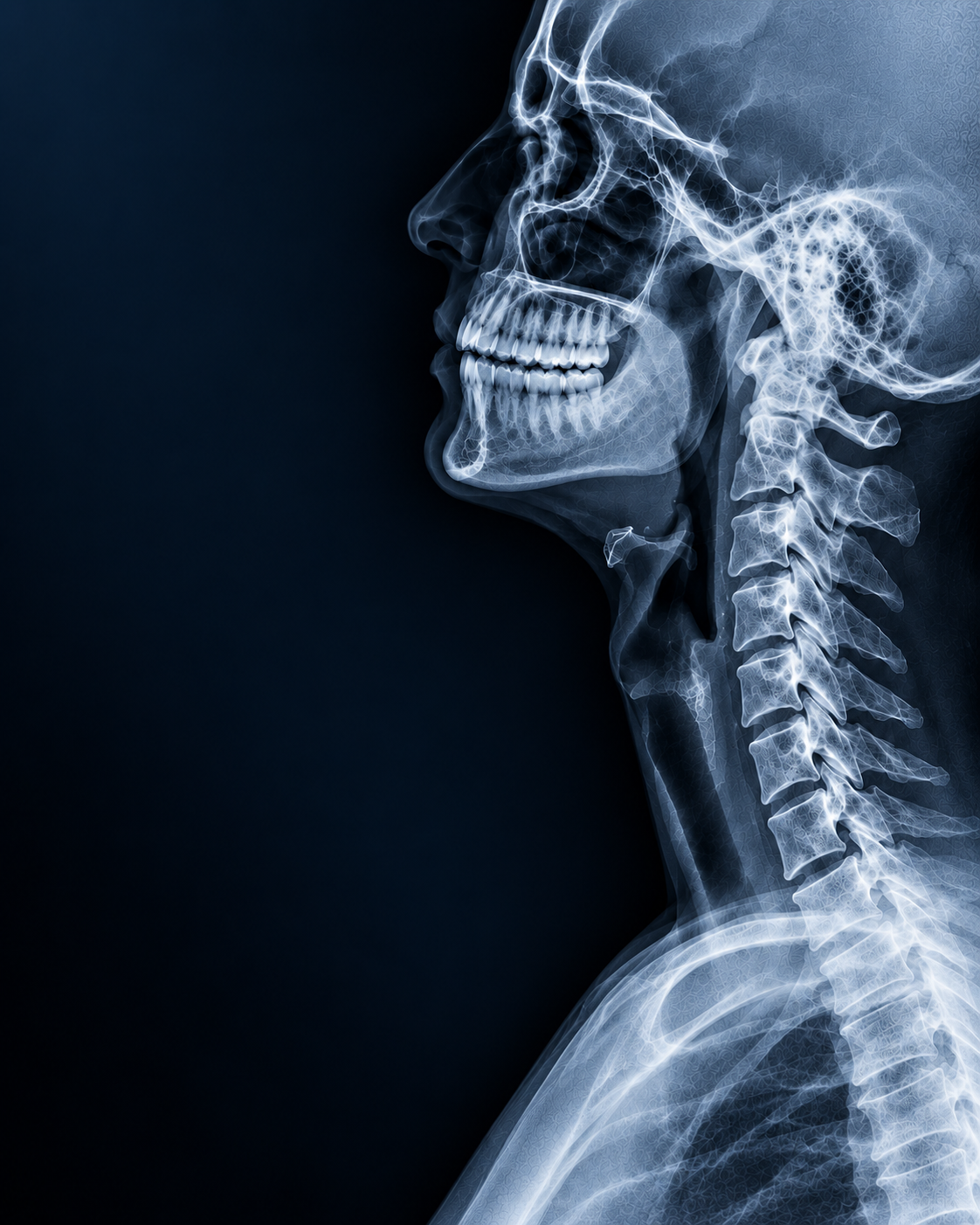
When Cervical Deformity Correction Fails — and Why: A Longitudinal Map of Alignment Durability After Surgery
An ISSG multicenter survival analysis finds fewer than 1 in 3 cervical deformity patients maintain alignment at one year, with failure mechanisms shifting from DJK early to global decompensation late. Read the ISSGF Research Spotlight.
One Alignment Target That Could Cut Reoperation Risk in Half: L1 Pelvic Angle in Minimally Invasive Spine Deformity Surgery
A 13-center study of 1,104 ASD patients finds that achieving ideal L1 pelvic angle during minimally invasive surgery is associated with a reoperation rate of 15% vs. 33% — and that every degree of deviation increases reoperation risk by 1.8%. Read the ISSGF Research Spotlight.

The Hidden Driver of Spine Surgery Decisions: How Self-Image Shapes Treatment Choice and Determines Satisfaction
A 735-patient prospective multicenter study finds that self-image — not pain or curve size — was the strongest predictor of choosing ASD surgery and the health domain most linked to postoperative satisfaction. Read the ISSGF Research Spotlight.
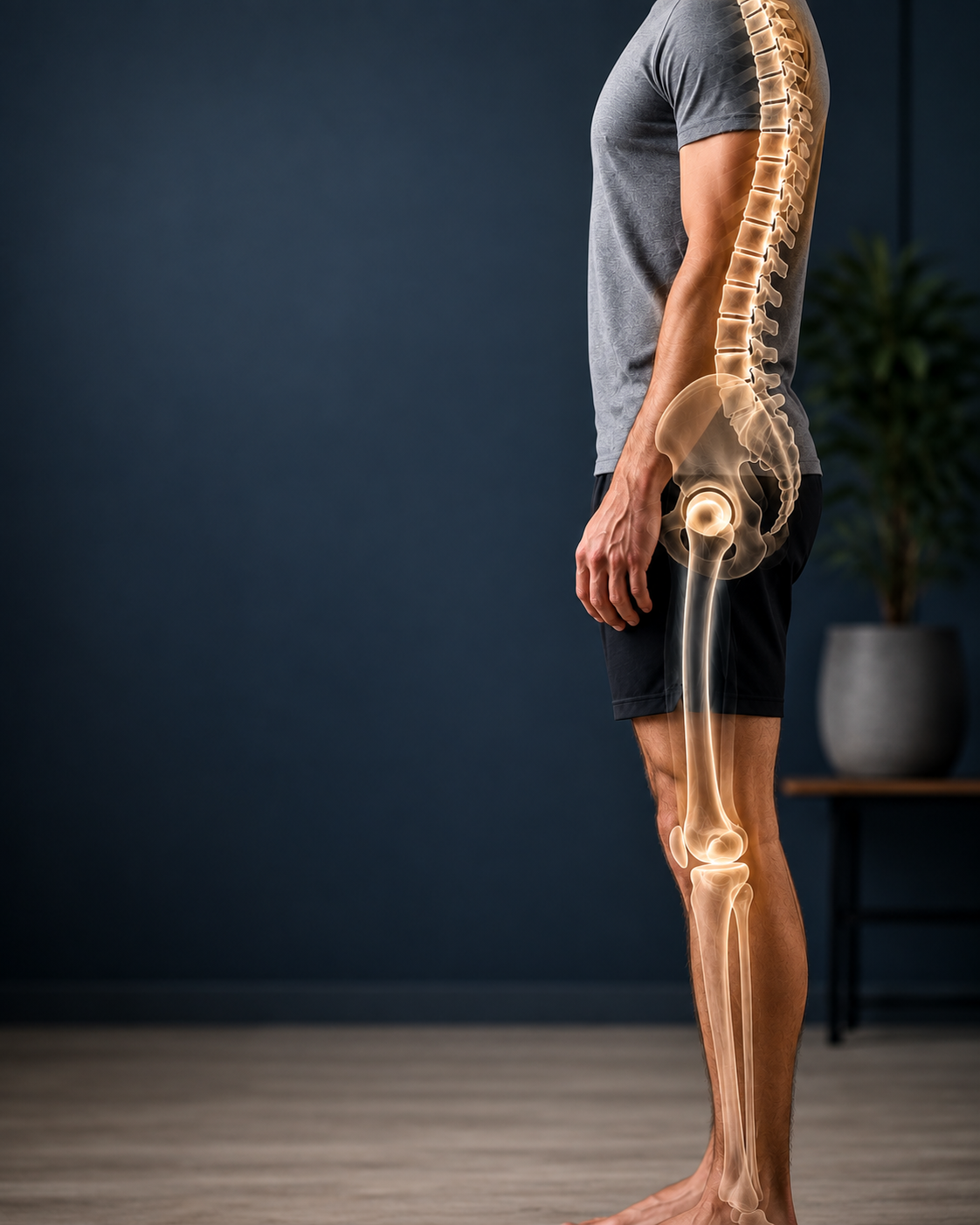
How the Body Compensates for a Failing Spine: Four Distinct Patterns — and Why They Matter for Surgical Planning
A multicenter study of 871 ASD patients identifies four distinct lower limb compensatory patterns — Recliners, Squatters, Mixed Compensators, and No Compensators — each with a unique clinical profile. Read the ISSGF Research Spotlight.

Is Your Biological Age a Better Surgical Risk Predictor Than Your Birthday? New Research From the ISSG Suggests It Might Be
An exploratory ISSG multicenter study finds that DNAm PhenoAge — a DNA methylation-based measure of biological aging — consistently outperforms chronological age in predicting perioperative complications in adult spinal deformity surgery. Read the ISSGF Research Spotlight.
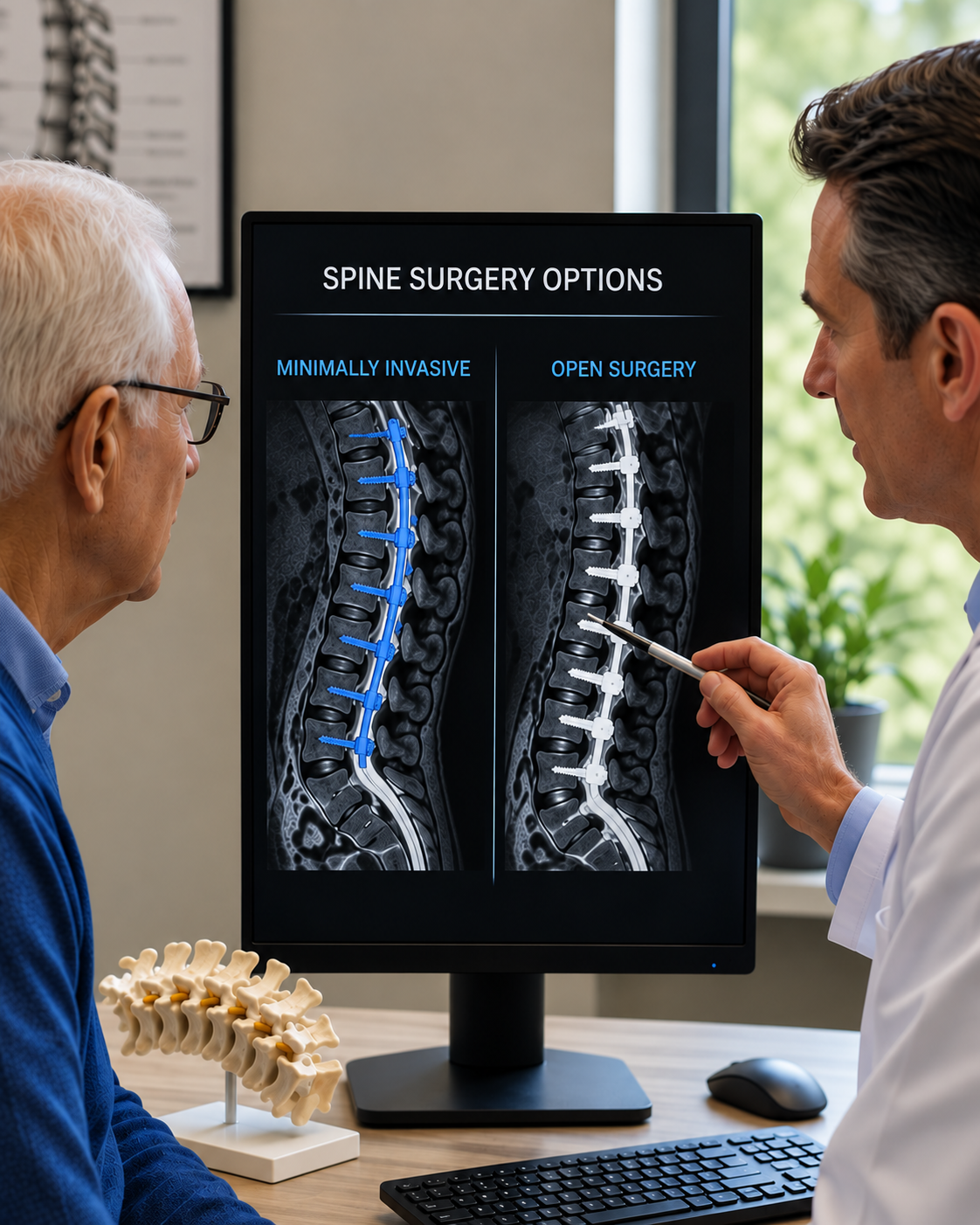
Spine Surgery at 80 and Beyond: Minimally Invasive vs. Open Technique in Octogenarians With Adult Spinal Deformity
The first propensity-matched study of ASD surgery in octogenarians finds that minimally invasive surgery reduces ICU admission and hospital stay, while open surgery delivers greater two-year durability and lower reoperation rates. Read the ISSGF Research Spotlight.

Frailty, Disability, and Multimorbidity in Spine Deformity Patients: Why Getting the Labels Right Matters
A multicenter study of 861 ASD patients finds that true medical frailty is rare — present in just 6% of patients — and that conflating frailty with disability risks misclassification in both clinical care and research. Read the ISSGF Research Spotlight.

After Spine Deformity Surgery, Most Patients Return to Normal Health Scores — And a Better Measurement Tool Helped Us See It
The first study using PROMIS CAT to evaluate 2-year ASD surgical outcomes finds that most patients return to normal population health scores — with social health showing the greatest improvement. Read the ISSGF Research Spotlight.
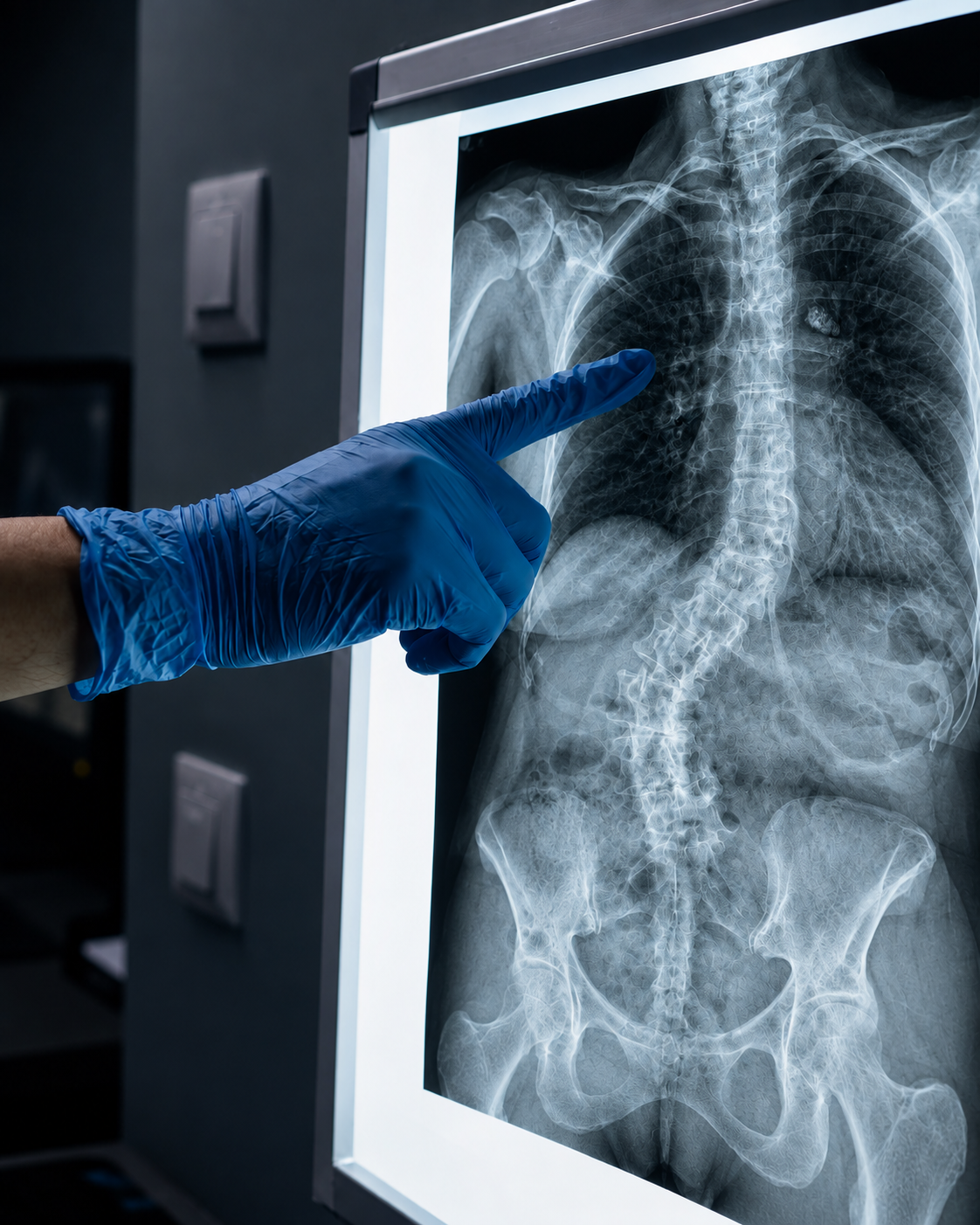
Preventing the Spine From Collapsing Above the Fusion: A New Framework for Upper Instrumented Vertebra Selection in Adult Spinal Deformity Surgery
A 627-patient, 20-center study finds that preoperative C2–T9 pelvic angle predicts proximal junctional kyphosis risk in ASD surgery — and that upper thoracic UIV selection reduces that risk by 36%. Read the ISSGF Research Spotlight.
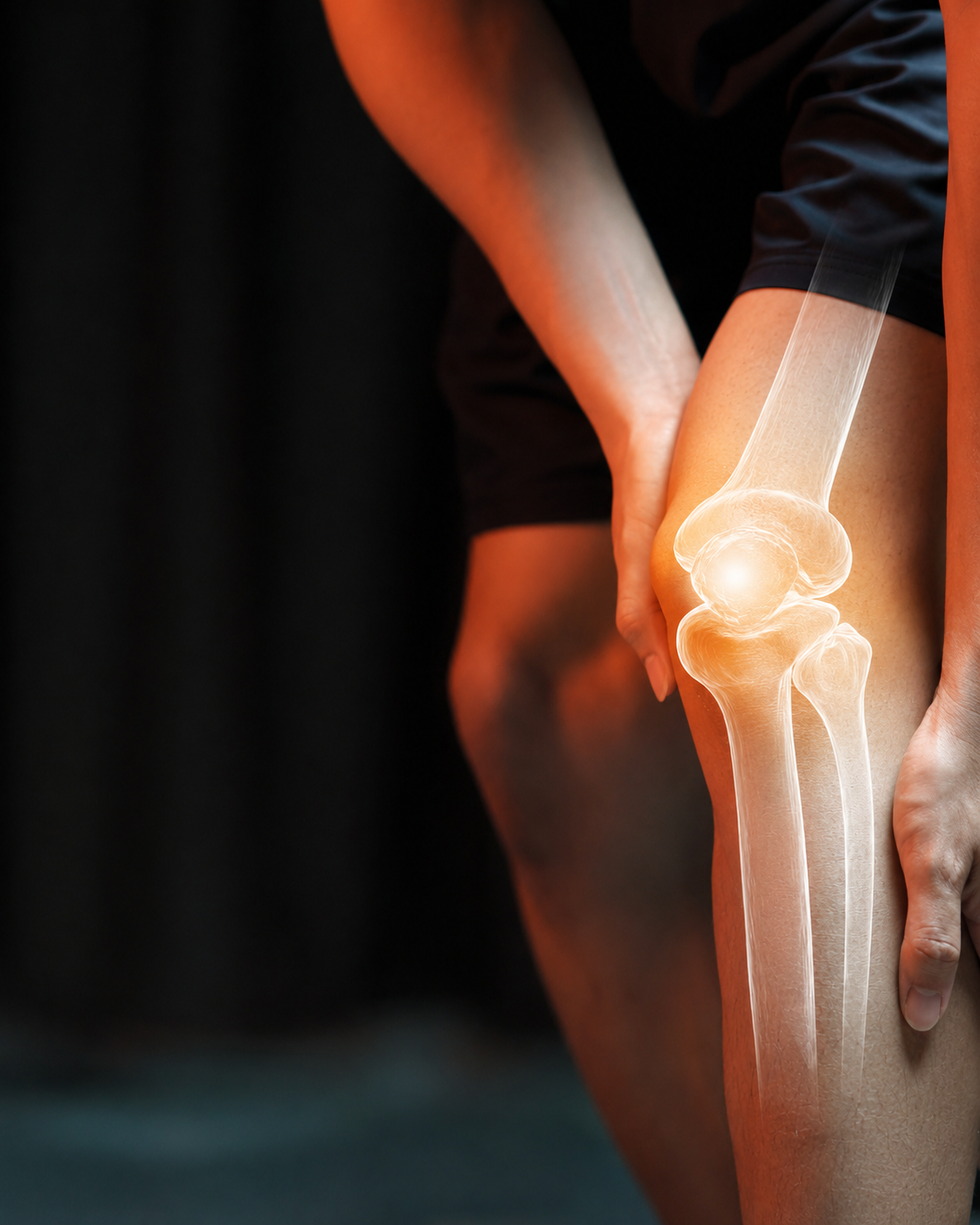
Planning Knee Replacement When You Have Spinal Deformity: What Your Spine Surgery Could Mean for Your Knees
This study breaks new ground by examining, for the first time, how adult spinal deformity influences native coronal knee alignment classification — and what happens to that classification when the spine is surgically corrected. The findings establish that ASD patients have a distinct knee alignment profile that differs from healthy individuals, and that spinal realignment shifts individual knee alignment in a clinically meaningful proportion of patients
A Common Spine Surgery Complication With Reassuring Long-Term Outcomes: What Patients and Surgeons Should Know About Incidental Durotomy
An incidental durotomy — an unintended tear in the dura mater, the protective membrane surrounding the spinal cord and nerve roots — is one of the most common intraoperative complications in adult spinal deformity surgery. When it happens, patients and families understandably worry about what it means for recovery. Will there be nerve damage? Will function be affected? Will outcomes be worse?

Why Some Patients Stop Improving After Minimally Invasive Spine Surgery — And What Early X-Rays May Reveal
Most patients who undergo minimally invasive surgery for adult spinal deformity improve significantly — and the expectation is that recovery continues to build over time. But for some patients, the trajectory reverses: they feel better at one year than they did before surgery, but worse at two years than they did at one.
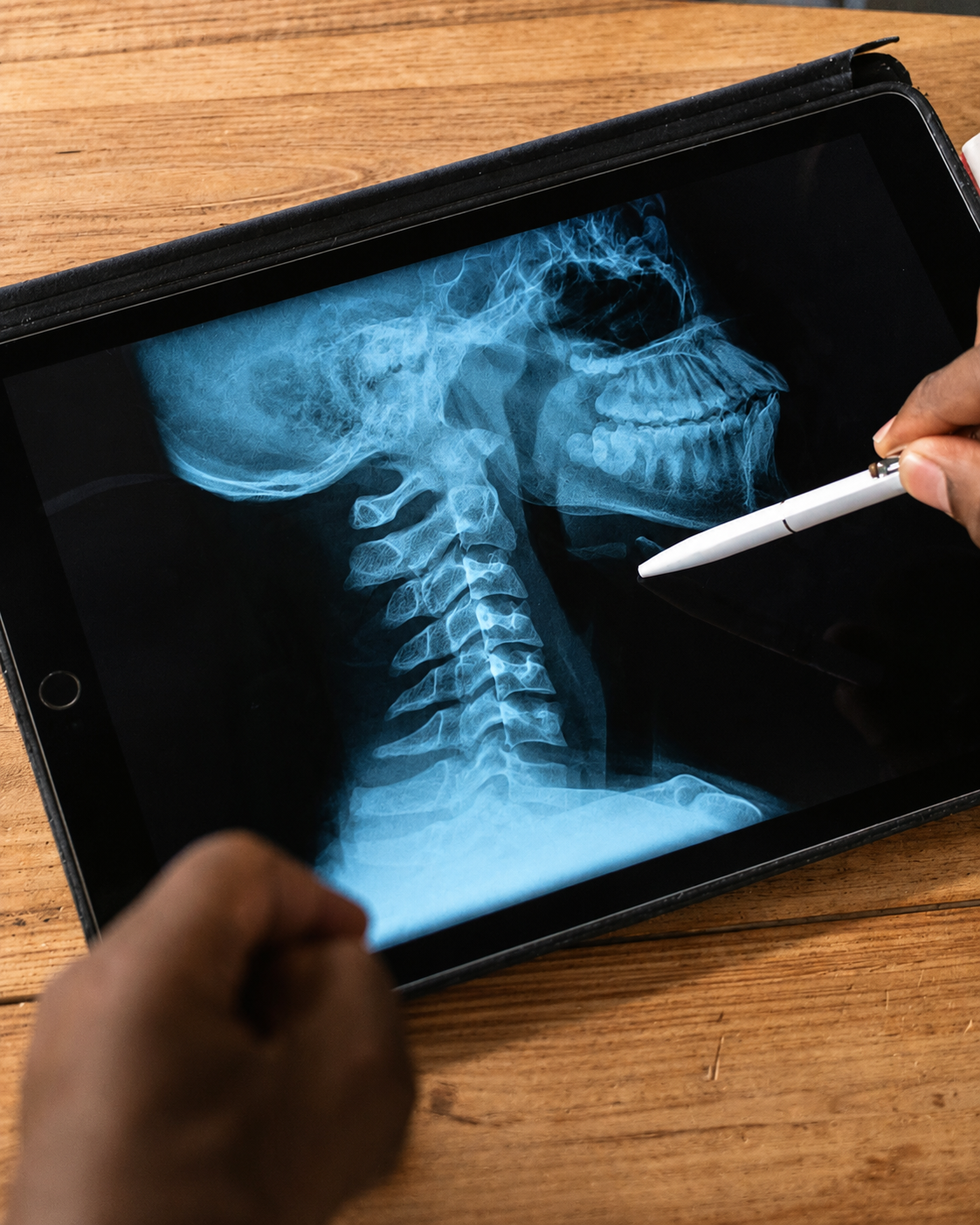
When Is Less More? Identifying the Right Candidates for Short Fusion in Cervical Deformity Surgery
In cervical deformity surgery, one of the most consequential decisions a surgeon makes is how many vertebral levels to include in the fusion. Longer fusions can address more severe deformity and provide greater stability — but they come at a cost: more blood loss, longer operating time, greater surgical risk, and a more demanding recovery. Shorter fusions offer the appeal of a less invasive procedure with faster recovery, but only if the deformity is corrected adequately and durably.
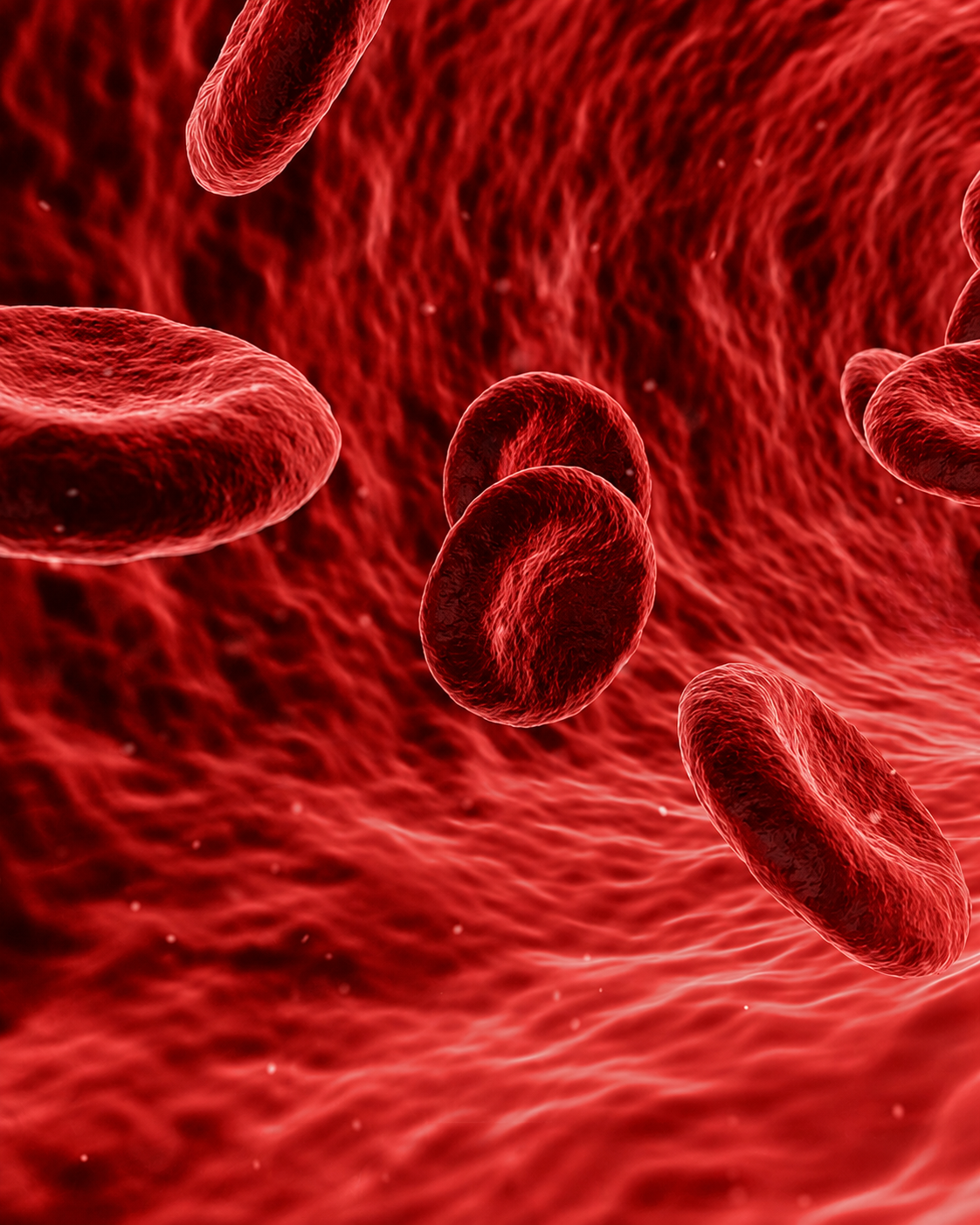
A Blood-Saving Tool With an Unexpected Risk: Cell Saver Ratio and Pulmonary Embolism After Spine Deformity Surgery
Cell saver technology — which collects, filters, and returns a patient's own blood lost during surgery — has long been considered a safe and beneficial component of blood management in complex spine surgery. By reducing reliance on donor blood transfusions, it is widely used in adult spinal deformity procedures where blood loss can be substantial.

Redefining Success in Spine Deformity Surgery: A Smarter Way to Measure What Matters
What does it mean for spine surgery to succeed? A patient might achieve meaningful pain relief but still struggle with disability. Another might avoid reoperation but remain significantly impaired. When success is measured by a single metric, the full picture of a patient's recovery is almost always incomplete.
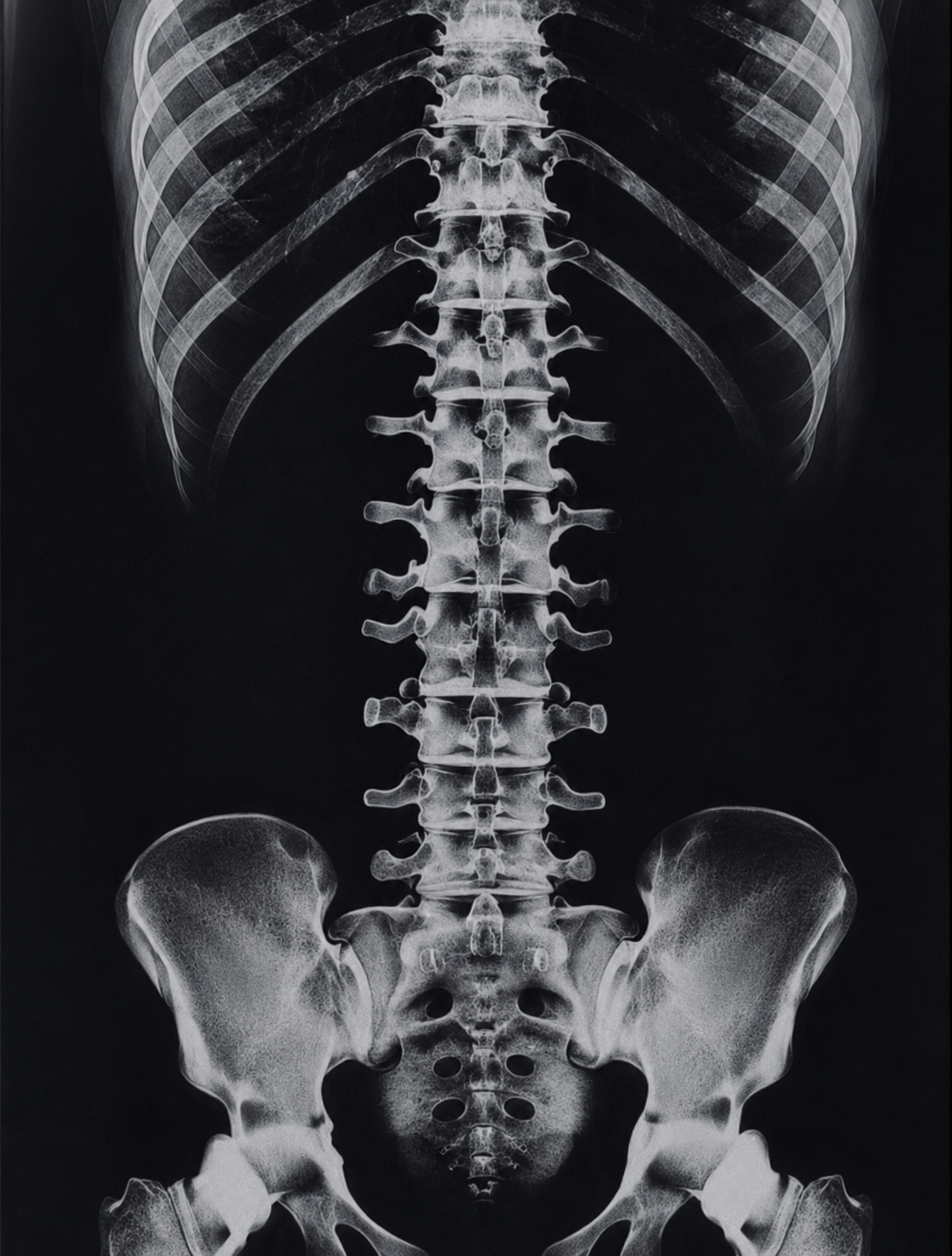
Your Spine X-Ray May Reveal More Than Your Spine: Muscle Loss Detection in Adult Spinal Deformity
Sarcopenia — the progressive loss of muscle mass and strength associated with aging — is a known risk factor for worse surgical outcomes in patients with adult spinal deformity. But it is rarely measured systematically before surgery, in part because doing so typically requires dedicated testing beyond what is already part of standard care. This study challenges that assumption.

Buttock Pain After Spine Surgery: Is the SI Joint Really to Blame?
When patients report significant buttock or groin pain after adult spinal deformity surgery, the sacroiliac joint is a natural suspect — particularly when the fusion extends to the pelvis. But suspicion and confirmation are not the same thing.
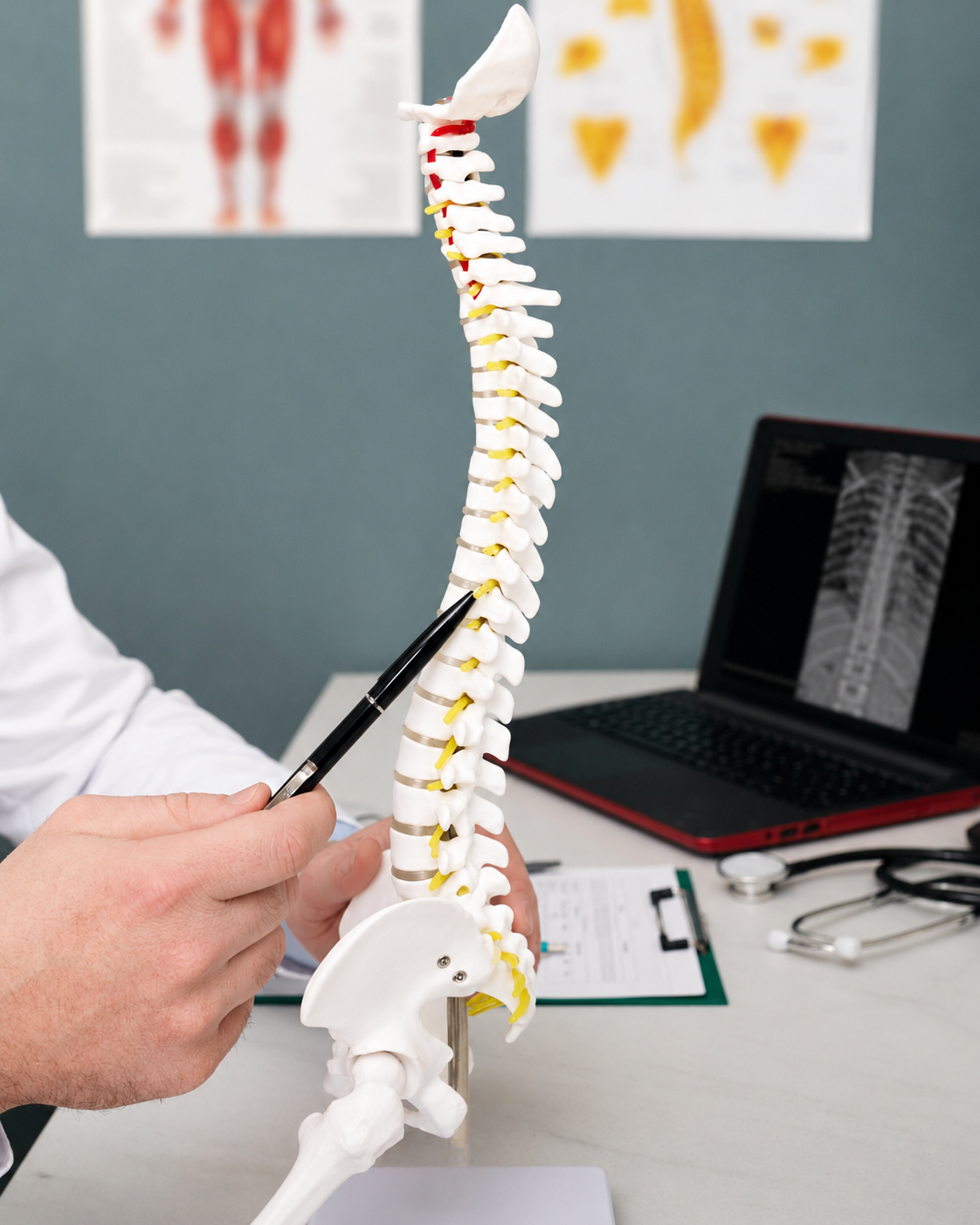
Are We Getting Better at Spine Deformity Surgery? A 15-Year Look at Lumbar Alignment Precision
One of the most fundamental goals of surgery for adult spinal deformity (ASD) is restoring the spine's natural curvature. But getting the overall curve right is only part of the challenge — how that correction is distributed across individual vertebral segments matters significantly for both patient outcomes and long-term durability.